Discover how this simple exercise builds endurance, coordination and strength.
Jumping rope remains one of the most efficient full-body workouts you can add to your training routine, yet far too many people overlook it in favor of expensive gym equipment or complicated machines. The reality is simple: you only need a rope, a flat surface and thirty minutes to torch calories, build endurance and sharpen your coordination all at once. When you commit to a consistent skipping schedule, your cardiovascular system adapts quickly. Your calves and forearms grow stronger with every session and your mental focus improves because the rhythmic nature of the movement demands attention. This is not a quick-fix fad.
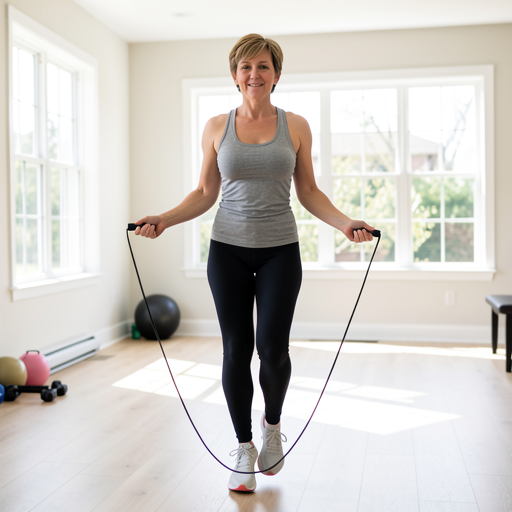
It is a time-tested training tool that elite athletes and everyday fitness enthusiasts rely on. The beauty of skipping lies in its accessibility. You can perform it at home in your living room, at the park on a warm afternoon or in a small hotel room while traveling. There is no need for a gym membership or a group class. To jump rope effectively, start with a basic two-foot bounce, keeping your elbows close to your sides and letting your wrists do the work rather than your entire arms.
🤸️
Beginners should aim for short intervals — think thirty seconds of jumping followed by thirty seconds of rest — and gradually increase the duration as their stamina improves. Over time, you will notice that sessions which once felt exhausting become smooth and effortless, a clear sign that your fitness is progressing. Beyond the obvious calorie burn, the coordination demands of skipping create neurological benefits that extend beyond the workout space. The rapid hand-foot synchronization required to skip trains your nervous system to process information faster, which translates into better agility on the sports field and improved reaction time in daily activities.
🌊
Many trainers incorporate rope work into warm-up routines because it activates the entire kinetic chain — from your toes to your shoulders — preparing the body for more intense work. The impact on your joints is manageable when you land softly on the balls of your feet and use a proper surface like a rubber mat or wooden floor instead of concrete. This consideration alone makes it a sustainable practice for years. Consistency is what separates results from excuses and skipping makes consistency achievable because it demands zero recovery days beyond what any other cardio exercise requires.
✊
You can alternate between high-intensity interval sessions and steady-state endurance work, keeping your training varied without overtaxing any single muscle group. The financial investment is minimal, the learning curve is forgiving and the physical transformation is measurable within weeks. If you are looking for a fitness practice that delivers real returns on your time and effort, committing to skipping as a regular habit is one of the smartest decisions you can make. Start slow, track your progress and let the rhythm carry you forward.