Cardiovascular benefits, jump rope conditioning and building functional fitness on a budget with a portable gym approach.
Jumping rope is one of the most underrated tools you can bring to your training routine and once you understand what it can do for your body, you will never look at a simple length of cord the same way. This deceptively simple piece of equipment delivers a full-body workout that challenges your cardiovascular system while building lean muscle, coordination and mental toughness. When you commit to jumping rope as part of your regular fitness plan, you are giving yourself a portable gym that fits in a backpack and costs less than a single personal training session. The beauty of this exercise lies in its accessibility — you do not need fancy machines or a crowded studio. You just need a little space, proper shoes and the willingness to show up and put in the work.
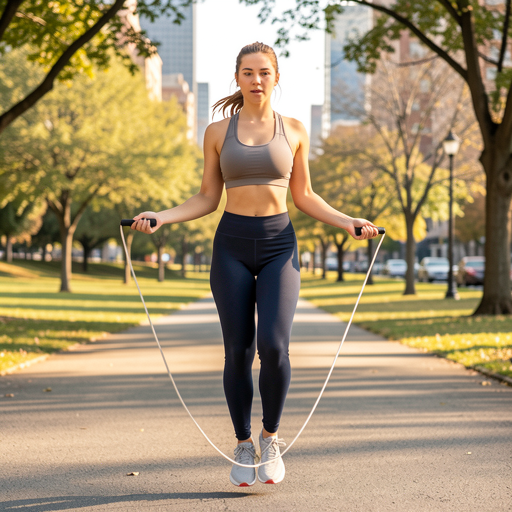
The cardiovascular benefits of a training jump rope are nothing short of remarkable. A thirty-minute session can burn upwards of three hundred calories, depending on your pace and intensity, which puts it on par with running at a moderate jog. But unlike pounding the pavement, rope work is kind to your joints when you focus on landing softly on the balls of your feet with a slight bend in your knees. You will notice your heart rate climbing quickly, your breathing deepening and your stamina growing with each passing week. To jump rope effectively, start with short intervals of thirty to sixty seconds, rest for the same duration and gradually extend those working periods. Your endurance will surprise you and your resting heart rate will drop within a few weeks of consistent practice.
🎖️
Beyond cardio, rope training sharpens coordination, balance and foot speed in ways that compound across every other area of your fitness. The rhythmic nature of the movement teaches your body to work efficiently and you will feel this transfer when you pick up a new sport or even just navigate uneven terrain on a hike. Beginners often worry about tripping over the rope, but this is a normal part of the learning curve. Start with basic two-foot hops until your rhythm feels natural, then introduce alternating footwork and side swings. Your shoulders and forearms will develop a subtle definition from supporting the rotation, while your calves and core absorb the impact and stabilize your posture. This is a skill that pays dividends long after your hands stop turning the handles.
🕜
Make jumping rope a non-negotiable habit by scheduling it into your routine on the same days you lift weights or run. Use it as a warm-up to activate your nervous system, or as a standalone conditioning session when time is tight. Track your rounds, note your maximal heart rate between sets and celebrate the days when the rhythm clicks and the work feels lighter than expected. There is something deeply satisfying about hearing that steady cadence of rope against the floor and knowing you are building real, functional fitness. Stay consistent, keep your sessions varied and let the results speak for themselves. Your future self will thank you for starting today.
🌏